Take our user survey and make your voice heard.
Business

Tesla shares tumble below $150 per share, giving up all gains made over the past year
Tesla's stock tumbled below $150 per share, giving up all of the gains made over the past year as the electric vehicle maker reels from falling sales and steep discounts intended to lure more buyers. Shares in the Elon Musk-owned company slid nearly 4% in intraday trading Thursday, in what… Read


Starbucks introducing cold drink cup made with less plastic
Booming sales of cold drinks at Starbucks have created a problem: growing amounts of plastic waste from the single-use cups that Frappuccinos, Refreshers, cold brews and other iced drinks are served in. The coffee giant said Thursday it plans to alleviate some of that waste with new disposable cups that… Read
Toshiba mulls cutting thousands of domestic jobs to reduce costs
Toshiba Corp is considering cutting thousands of workers in Japan as part of efforts to reduce costs and improve business efficiency, sources familiar with the matter said Wednesday. The job cuts, mainly targeting the company's back-office departments, are expected to be included in its business strategy due to be announced… Read

Toyota to recall over 130,000 Prius hybrid cars due to door glitch
Toyota Motor Corp said Wednesday it is recalling a total of 135,305 units of the Prius hybrid car in Japan, citing a rear door handle glitch. The automaker said it will halt production and stop taking orders from dealerships until it can resolve the issue. The company notified Japan's transport… Read


Tesla asks shareholders to reapprove huge Musk pay deal
Electric vehicle maker Tesla will ask its shareholders to vote again on a $56 billion compensation package they had approved in 2018 for CEO Elon Musk before it was squashed by a U.S. court earlier this year. In a filing with federal regulators on Wednesday, Tesla Chair Robyn Denholm said… Read


Japan records trade deficit for third straight fiscal year despite recovering exports
Japan recorded a trade deficit for the third straight fiscal year as the costs of energy and other imports rose and the yen remained weak. The deficit was 5.89 trillion yen ($38 billion) for the fiscal year that ended in March, according to Finance Ministry data released Wednesday. The biggest… Read
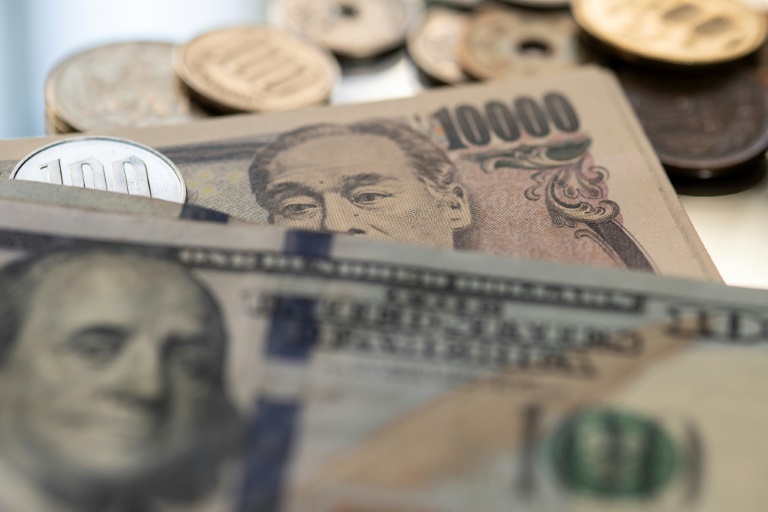
Seoul, Tokyo vow 'appropriate action' on weak yen and won
South Korea and Japan shared "serious concerns" on the recent weakness of their currencies against the dollar and agreed to take "appropriate actions" to counter extreme volatility, the finance ministry in Seoul said Wednesday. The foreign exchange market has witnessed a surge in volatility following Iran's weekend drone and missile… Read


Nissan says it will make next-generation EV batteries by 2028
Nissan expects to mass produce electric vehicles powered by advanced next-generation batteries by early 2029, the company said Tuesday during a media tour of an unfinished pilot plant. Japan's legacy automakers have fallen behind newer rivals like America's Tesla and China's BYD in the emerging all-electric auto sector. But Nissan,… Read


IMF sees slow, steady 2024 global growth; China, war escalation pose risks
The global economy is set for another year of slow but steady growth, the International Monetary Fund said on Tuesday, with U.S. strength pushing world output through headwinds from lingering high inflation, weak demand in China and Europe, and spillovers from two regional wars. The IMF forecast global real GDP… Read


Japan Coast Guard to expand fleet with 3 Airbus H225 helicopters
Japan Coast Guard (JCG) has ordered three Airbus H225 helicopters. The largest Super Puma operator in Japan received three H225s in December 2023 and one in February, and will have a total of 18 in its fleet once all deliveries, including this latest order, have been completed. The new helicopters… Read